The short version
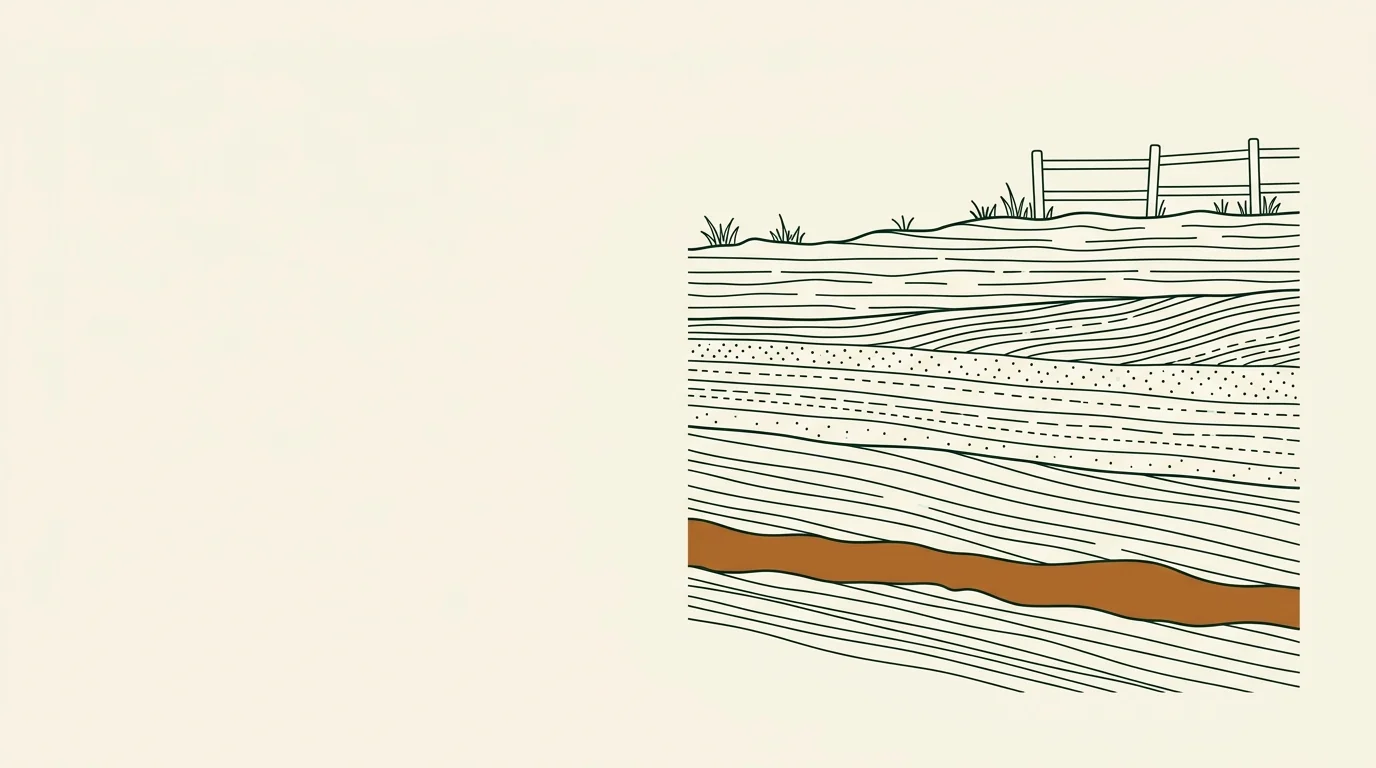
Owning land doesn’t always mean owning what is under it. In many parts of the country the mineral rights (oil, gas, coal, other minerals) were sold or kept by an earlier owner, splitting the property into a surface estate and a mineral estate. Whoever holds the minerals generally has the right to reasonable use of the surface to get them out. Before you buy, find out who owns the minerals, whether any are leased, and what that could mean for where you build.
Why it matters to a land buyer
- Surface use. A mineral owner or its lessee may be able to put in roads, well pads or pipelines. Whether you are paid depends on the state: North Dakota requires the developer to pay surface damages, while in Texas reasonable use needs no permission and payment usually depends on the lease or deed.
- Federal minerals. In parts of the West, the federal government kept the minerals under land it once patented to homesteaders, so a private surface can sit over federal minerals managed by the BLM.
- Value and financing. Severed minerals can affect what a buyer or lender will do. Ask the title company how its policy treats minerals: there are mineral endorsements (the ALTA 35 series) that cover some losses to buildings and other improvements (one version covers planned improvements on land under development) caused by someone using a mineral right; they don’t insure the minerals themselves. Colorado, for one, requires the title commitment to disclose when the public record shows the minerals were severed.
- Income. If the minerals do come with the land and are leased, royalties may come too. Don’t assume either way; check.
How to find out who owns the minerals
- Read the deed and the chain of title for reservations or exceptions (“reserving unto grantor all oil, gas and other minerals…”).
- Order a title search that specifically covers the mineral estate, or an abstract. A standard search may stop at the surface.
- Search county records for oil and gas leases, mineral deeds and affidavits on the parcel.
- Check the state regulator’s well maps for wells and permits nearby.
- In the West, check BLM records for federal mineral reservations.
Protect yourself
- Ask the seller in writing whether they own and are conveying the minerals, and whether anything is leased.
- If minerals are severed, ask an attorney what surface protections your state gives (some states have surface damage acts or require the mineral owner to accommodate existing surface uses).
- Ask the title company whether a mineral endorsement (ALTA 35 series) is available for your policy.
- Plan where you build with possible access routes in mind, and ask about setbacks from wells.
This is item 3 on our raw land due diligence checklist.
Quick answers
Do mineral rights come with land?
Not always. In many areas earlier owners sold or reserved the mineral rights, so the surface and the minerals belong to different people. The deed, the chain of title and county records show which.
How do I find out who owns the mineral rights to my land?
Check the deed and chain of title for reservations, order a title search that covers the mineral estate, search county records for mineral deeds and leases, and in the West check BLM records for federal reservations.
Can a mineral owner use my land?
Generally the mineral owner has a right to reasonable use of the surface to reach the minerals. States differ on compensation: some, such as North Dakota, require payment for surface damages; in others, such as Texas, it usually depends on the lease or deed.
Does title insurance cover mineral rights?
Not automatically. Ask the title company how its policy treats minerals and whether a mineral endorsement (the ALTA 35 series) is available; it covers some losses to buildings and other improvements caused by someone using a mineral right, not the minerals themselves.
General information, not legal, tax or financial advice. Land rules differ by state and county; confirm with the county health or planning department, a real estate attorney or a licensed professional before you buy.
Sources
- BLM — Split estate — www.blm.gov/programs/energy-and-minerals/oil-and-gas/leasing/split-estate
- Railroad Commission of Texas — oil and gas exploration and surface ownership — www.rrc.texas.gov/about-us/faqs/oil-gas-faq/oil-gas-exploration-and-surface-ownership
- Ohio Rev. Code 5301.56 — Dormant Mineral Act — codes.ohio.gov/ohio-revised-code/section-5301.56
- North Dakota Century Code 38-11.1 — oil and gas production damage compensation — www.ndlegis.gov/cencode/t38c11-1.pdf
- Colorado C.R.S. 10-11-123 — title insurance mineral disclosure — colorado.public.law/statutes/crs_10-11-123
- ALTA 35-series minerals endorsement (CLTA 140.3 / ALTA 35.3, Stewart) — assets.stewart.com/en/forms/2022-3/clta-140-3-06-minerals-and-other-subsurface-substances-land-under-development-08-01-16-alta-35-3-06.html