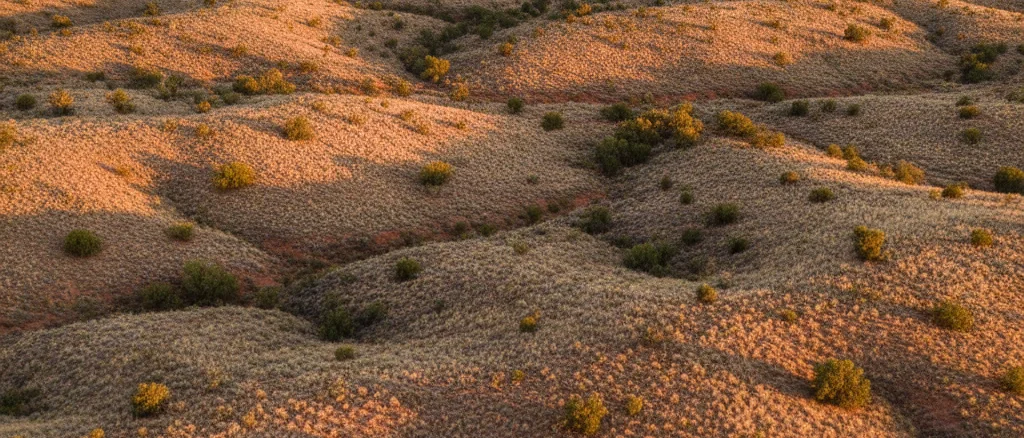
Northern Arizona High Country
Prices are driven by elevation, tree cover, proximity to national forests, and seasonal access, with water availability being a major factor.
Arizona's raw land market is defined by its vast federal and state land holdings, diverse ecosystems from high mountains to Sonoran desert, and a challenging water rights landscape. Buyers must navigate complex access issues and stringent water regulations, making due diligence paramount. The state offers opportunities for off-grid living, recreation, and hunting, but often requires significant upfront investigation.
The extreme complexity and scarcity of water rights, coupled with pervasive federal and state land ownership impacting access, are the most significant hurdles for buyers.
Arizona employs the Prior Appropriation doctrine for surface water, where rights are based on historical use ('first in time, first in right'). Groundwater law is more complex: within Active Management Areas (AMAs), pumping is highly regulated, requiring permits and demonstrating an 'assured water supply' for new developments. Outside AMAs, a modified reasonable use doctrine applies, though it's still subject to state oversight and potential future regulation.
Federal land context: The Bureau of Land Management (BLM) manages approximately 12.2 million acres in Arizona, meaning buyers frequently encounter properties adjacent to or completely surrounded by federal land, necessitating careful due diligence regarding access easements and potential inholdings.
Price ranges reflect recreational, hunting, and timber raw land — not farmland or subdivided residential lots.
Prices are driven by elevation, tree cover, proximity to national forests, and seasonal access, with water availability being a major factor.
Accessibility, proximity to utilities, and water rights significantly influence value, with many parcels being raw desert with limited infrastructure.
Larger parcels are common, with prices reflecting remoteness, access, and potential for well water, often near national forests or grasslands.
Proximity to the Colorado River or major lakes, along with legal access and utility availability, are primary price drivers, with many parcels being raw desert.
Often remote and undeveloped, prices are lower due to limited infrastructure, extreme weather, and vast distances, appealing to off-grid and large acreage buyers.
State-specific landmines that standard due diligence checklists miss.
The highly regulated and often scarce water rights, especially in Active Management Areas (AMAs), can make developing or even using land for certain purposes extremely difficult or impossible without existing rights.
Many raw land parcels are landlocked or require easements across vast tracts of BLM, State Trust Land, or National Forest, which can be difficult and costly to secure.
Buyers often encounter properties with unpermitted wells, septic systems, or structures, leading to significant remediation costs or legal issues.
Many desert washes and low-lying areas are subject to flash flooding and strict floodplain regulations, severely limiting building potential.
Be aware of properties adjacent to or surrounded by Arizona State Trust Land, which is managed for revenue and often leased for grazing or other uses, potentially impacting access or future development.
Proximity to or inholdings within Native American tribal lands can introduce complex jurisdictional issues, access restrictions, and cultural considerations.
Model what it will actually cost to hold raw land before it generates any income. Property taxes, road maintenance, and stewardship add up on ground that produces no cash flow.
Browse water doctrine, pricing, and due diligence requirements for all 50 states.