Eastern Plains
$1,000–$3,000
per acre
Prices are driven by agricultural potential, hunting leases, and proximity to major highways, with larger parcels more common.
agriculture
hunting
plains
investment
80–640 acres
Colorado's raw land market is defined by its stunning mountain landscapes, abundant federal lands, and a highly competitive environment. Buyers must navigate complex water rights and often high price points, but the rewards include unparalleled recreational access and investment potential. The state offers diverse opportunities from high plains hunting to pristine mountain retreats.
The extreme complexity of water rights, coupled with high demand and prices, makes Colorado a challenging market for raw land buyers.
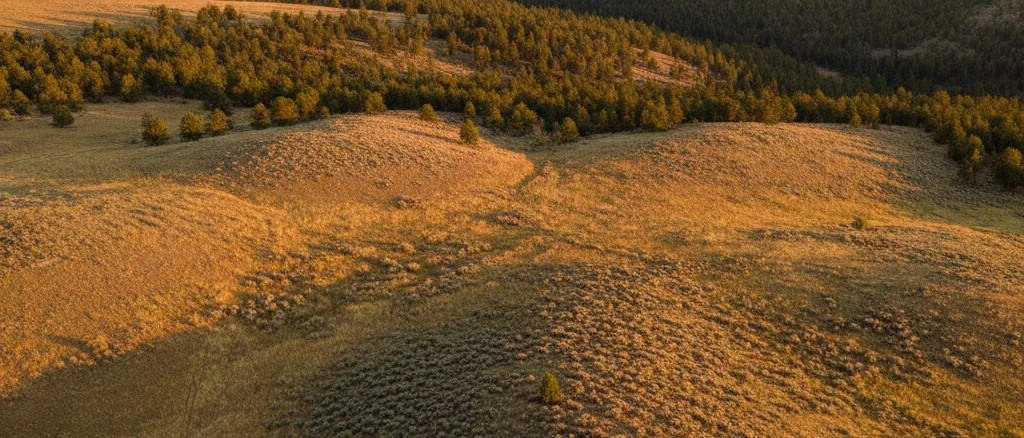
Colorado operates under the Prior Appropriation Doctrine, often summarized as 'first in time, first in right,' for both surface water and groundwater. Water rights are separate from land ownership and are considered a distinct property right that can be bought, sold, and leased, adjudicated through specialized Water Courts. Groundwater is also subject to appropriation, with specific rules for designated basins and non-tributary groundwater.
Federal land context: The Bureau of Land Management (BLM) manages approximately 8.3 million acres in Colorado, meaning many private parcels are adjacent to or surrounded by federal land, impacting access and recreational opportunities.
Price ranges reflect recreational, hunting, and timber raw land — not farmland or subdivided residential lots.
Prices are driven by agricultural potential, hunting leases, and proximity to major highways, with larger parcels more common.
High demand for recreational and residential use near population centers and ski resorts drives premium prices for smaller, accessible parcels.
Diverse landscapes offer opportunities for hunting and recreation, with prices varying based on water access, views, and proximity to towns like Grand Junction or Montrose.
Stunning scenery and abundant recreational opportunities near destinations like Durango and Pagosa Springs command high prices, especially for parcels with water features or views.
State-specific landmines that standard due diligence checklists miss.
Water rights are separate from land and extremely complex; securing adequate water for any use is a significant hurdle.
Access to remote parcels can be complicated by checkerboard federal land, private roads, and the need for recorded easements.
Mineral rights are frequently severed from surface rights, meaning a buyer may not own the subsurface minerals.
Wildfire risk is a serious concern in many mountain and forested areas, impacting insurance availability and building codes.
Many recreational subdivisions have restrictive covenants and homeowners' associations (HOAs) that limit land use and development.
Septic system and well permits are subject to strict county and state regulations, which can be costly and time-consuming to obtain.
Model what it will actually cost to hold raw land before it generates any income. Property taxes, road maintenance, and stewardship add up on ground that produces no cash flow.
Browse water doctrine, pricing, and due diligence requirements for all 50 states.