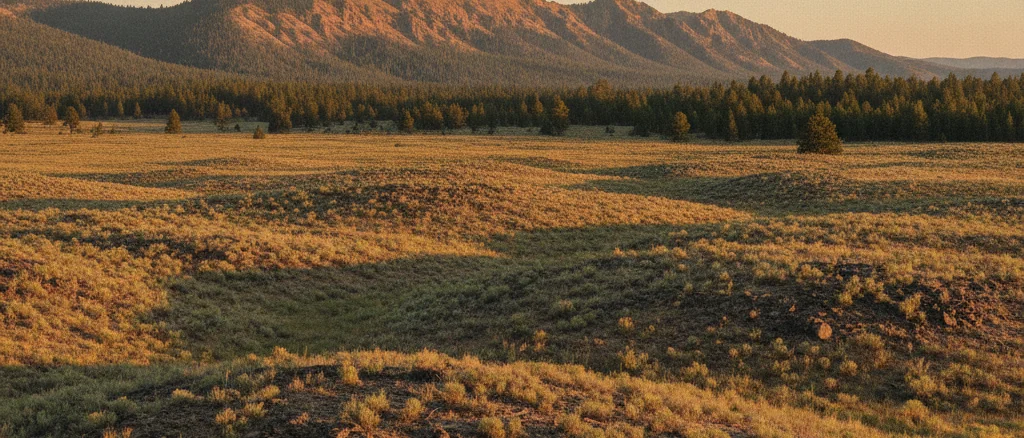
Northern Idaho (Panhandle)
Strong demand for recreational and timberland, often with lake or river access driving premium prices, especially in areas like Coeur d'Alene and Sandpoint.
Idaho offers a diverse raw land market, from dense timber in the north to high desert in the south, all characterized by a significant federal land presence. Buyers often seek properties for hunting, recreation, or off-grid living, drawn by the state's rugged beauty and vast open spaces. The 'first in time, first in right' water doctrine is a critical consideration for any land use requiring water.
The extensive federal land and complex water rights system present both opportunities and significant due diligence challenges for buyers.
Idaho operates under the doctrine of Prior Appropriation for both surface and groundwater, meaning 'first in time, first in right' governs water rights. All water is considered a public resource, and a water right is a usufructuary right to use a specific quantity of water for a beneficial purpose, with older rights having priority over newer ones during times of shortage. New appropriations require a permit from the Idaho Department of Water Resources (IDWR), and groundwater is managed similarly with permits and priority dates.
Federal land context: Approximately 34 million acres, or 63% of Idaho, is federally owned, with BLM managing around 12 million acres, often creating private parcels adjacent to or as inholdings within federal land, which can impact access and use.
Price ranges reflect recreational, hunting, and timber raw land — not farmland or subdivided residential lots.
Strong demand for recreational and timberland, often with lake or river access driving premium prices, especially in areas like Coeur d'Alene and Sandpoint.
Remote, rugged parcels appeal to off-grid and serious hunting/recreation buyers, with access and proximity to wilderness areas being key determinants of value.
Proximity to Boise drives some investment interest, but much of the land is high desert or rugged mountains, appealing for recreation and hunting.
Scenic beauty and proximity to Yellowstone/Grand Teton National Parks drive demand for recreational and investment properties, especially those with mountain views.
State-specific landmines that standard due diligence checklists miss.
Navigating Idaho's Prior Appropriation water rights system, including establishing new rights or verifying existing ones, is complex and requires expert due diligence.
Many private parcels are surrounded by or abut federal lands, requiring careful verification of legal access easements across public or other private lands.
Large portions of Idaho, particularly forested and mountainous regions, face significant wildfire risk, impacting insurance availability and land management practices.
Idaho has strict noxious weed laws, and landowners are responsible for controlling designated weeds on their property, which can be an ongoing cost and management burden.
Due to varied soil conditions and environmental regulations, obtaining permits for septic systems in some rural areas can be challenging or require advanced, more costly systems.
Hunting regulations are tied to specific wildlife management units; understanding these boundaries and their impact on hunting opportunities is crucial for recreational buyers.
Model what it will actually cost to hold raw land before it generates any income. Property taxes, road maintenance, and stewardship add up on ground that produces no cash flow.
Browse water doctrine, pricing, and due diligence requirements for all 50 states.