Eastern Oregon High Desert
$800–$3,500
per acre
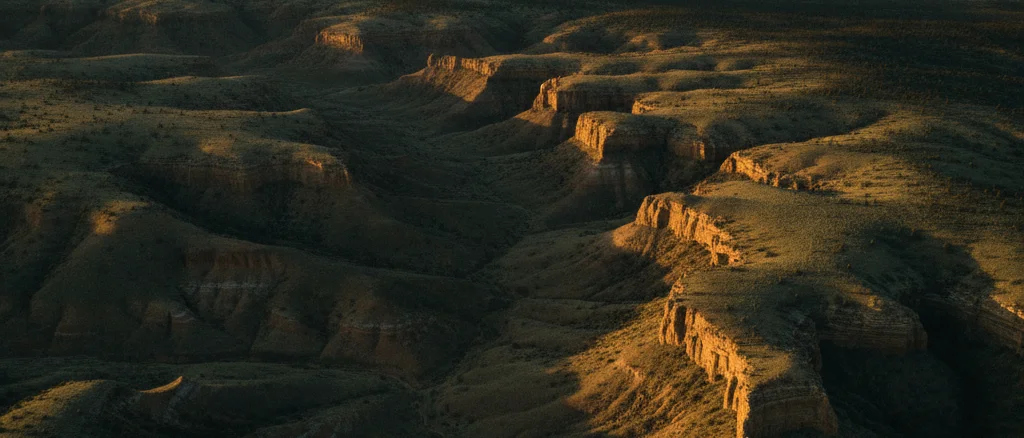
Prices are driven by vast acreage, hunting potential, and remoteness, with water access often being a critical factor.
hunting
recreation
off-grid
investment
desert
plains
160–640+ acres
Oregon presents a diverse raw land market, from vast eastern high desert to dense western timberlands. Buyers must navigate a complex landscape of strong land use planning, critical water rights considerations, and significant federal land presence. While offering immense recreational and timber investment potential, thorough due diligence is essential to understand development limitations and resource access.
The state's comprehensive land use planning system and complex water rights administration create significant hurdles for development and resource use.
Oregon operates under the Prior Appropriation Doctrine for both surface and groundwater. This means water rights are granted based on the principle of 'first in time, first in right,' where older rights have priority over newer ones during times of scarcity. Permits are required from the Oregon Water Resources Department (OWRD) for new appropriations, and existing rights are tied to specific beneficial uses and locations. Groundwater is also subject to appropriation and regulation, with some basins having specific management plans or restrictions.
Federal land context: The Bureau of Land Management (BLM) manages approximately 16.1 million acres in Oregon, often resulting in private inholdings, checkerboard patterns, and complex access considerations for adjacent or surrounded private parcels.
Price ranges reflect recreational, hunting, and timber raw land — not farmland or subdivided residential lots.
Prices are driven by vast acreage, hunting potential, and remoteness, with water access often being a critical factor.
Diverse terrain, proximity to national forests, and varying timber values influence prices, alongside wildfire risk.
Strong timber markets, proximity to population centers, and recreational appeal drive higher prices, often with steep topography.
Known for big game hunting and scenic beauty, prices reflect access, timber value, and proximity to wilderness areas.
State-specific landmines that standard due diligence checklists miss.
Oregon's strict statewide land use planning (e.g., EFU, Forestland zoning) severely restricts new dwelling construction or non-farm/forest uses, often requiring extensive conditional use permits or Measure 49 claims.
Water rights are paramount under Prior Appropriation; verifying existing rights, their validity, and transferability is complex and crucial, especially in arid regions.
Many rural properties are subject to forestland fire protection assessments and defensible space requirements due to significant wildfire risk, particularly in Southern and Eastern Oregon.
Access to remote parcels, especially those adjacent to or surrounded by federal lands, can be complicated by unrecorded easements or lack of legal access, requiring careful due diligence.
Septic system installation is governed by the Department of Environmental Quality (DEQ) and can be challenging on certain soils or small parcels, impacting development potential.
Timber harvest regulations are stringent under the Oregon Forest Practices Act, affecting management and income potential for forestland owners.
Model what it will actually cost to hold raw land before it generates any income. Property taxes, road maintenance, and stewardship add up on ground that produces no cash flow.
Browse water doctrine, pricing, and due diligence requirements for all 50 states.