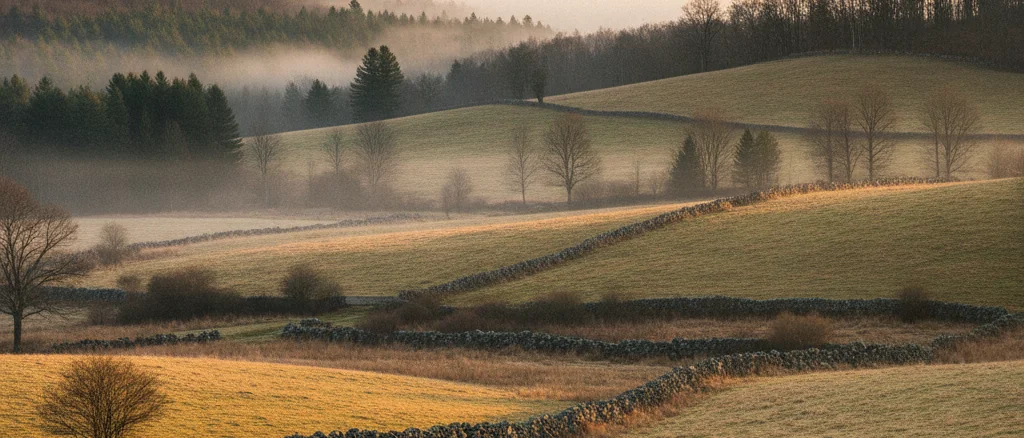
Northeast Kingdom (NEK)
This remote, heavily forested region offers the most affordable large tracts, driven by timber value and demand for secluded hunting/recreational parcels.
Vermont's raw land market is defined by its stunning natural beauty, dense forests, and mountainous terrain, making it ideal for recreational and timberland buyers. However, the state's strong commitment to environmental protection and land use planning means buyers must navigate a complex regulatory landscape. Understanding these regulations is paramount to a successful land acquisition here.
The extensive statewide and local land use regulations, particularly Act 250 and wetlands rules, present significant hurdles for development and require thorough due diligence.
Vermont operates under a regulated riparian rights doctrine for both surface and groundwater. Landowners adjacent to water bodies have the right to make reasonable use of the water, provided it does not unreasonably interfere with the rights of other riparian users. Significant withdrawals, diversions, or alterations of surface water, and certain groundwater withdrawals, often require permits from the Vermont Agency of Natural Resources (ANR). The state emphasizes conservation and protection of water quality and aquatic ecosystems, with specific regulations for activities near shorelines and wetlands.
Federal land context: Vermont has virtually no BLM land; federal land is primarily managed by the U.S. Forest Service, meaning buyers will not encounter BLM-related inholding or access issues.
Price ranges reflect recreational, hunting, and timber raw land — not farmland or subdivided residential lots.
This remote, heavily forested region offers the most affordable large tracts, driven by timber value and demand for secluded hunting/recreational parcels.
Prices here are influenced by proximity to ski resorts, hiking trails, and scenic beauty, attracting buyers seeking recreational or long-term investment properties.
This region benefits from easier access from major metropolitan areas, leading to higher demand and prices for smaller, more developable recreational or investment parcels.
While prime lakefront is expensive, raw land on the western slopes or further from the lake offers good recreational value, with prices influenced by views and accessibility.
State-specific landmines that standard due diligence checklists miss.
Act 250 Land Use Law: Development of more than 10 acres (or 1 acre within a 5-mile radius of a protected area) or certain types of projects trigger a complex statewide permitting process.
Wetlands Regulations: Vermont has strict state and federal wetlands protection, requiring permits for any disturbance, which can severely limit development potential.
Land Use Change Tax (LUCT): If land enrolled in the Use Value Appraisal (Current Use) program is developed or removed, a one-time 10% tax on the fair market value at the time of change is assessed.
Shoreland Protection Act: Strict regulations govern development and vegetation clearing within 250 feet of lakes and ponds over 10 acres, impacting waterfront property use.
Access and Road Maintenance: Many rural properties rely on unmaintained private roads or old logging trails, requiring buyers to verify legal access and understand maintenance responsibilities.
Steep Slopes and Erosion Control: Properties with significant slopes may face development restrictions and require extensive erosion control plans due to state environmental regulations.
Model what it will actually cost to hold raw land before it generates any income. Property taxes, road maintenance, and stewardship add up on ground that produces no cash flow.
Browse water doctrine, pricing, and due diligence requirements for all 50 states.