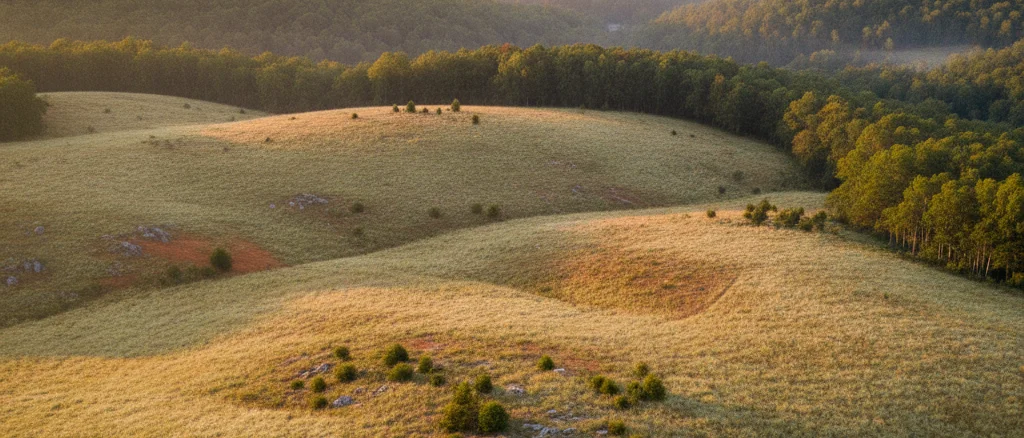
Coastal Plain / Tidewater
Proximity to water and wetlands for hunting (ducks, deer) and recreation drives prices, with significant premium for direct waterfront access.
Virginia offers a diverse raw land market, from coastal wetlands to rugged mountains, appealing to buyers seeking hunting, timber, or recreational properties. Its long history means many parcels have complex ownership histories and potential access challenges, requiring diligent research. The state's strong environmental regulations, particularly concerning water quality, are a significant factor for development potential.
The combination of complex water regulations, environmental overlays like the Chesapeake Bay Act, and potential access/mineral rights issues necessitates thorough due diligence.
Virginia follows a modified riparian rights doctrine for surface water, granting landowners adjacent to a water body the right to make reasonable use of the water, shared with other riparians. For groundwater, the state applies a 'reasonable use' rule, but it is heavily regulated, especially in designated Groundwater Management Areas (GMAs) where permits are required for withdrawals exceeding specific thresholds, overseen by the State Water Control Board.
Federal land context: Virginia has minimal BLM land, with less than 1,000 acres managed by the agency, meaning buyers will rarely encounter federal inholdings or access issues related to BLM property.
Price ranges reflect recreational, hunting, and timber raw land — not farmland or subdivided residential lots.
Proximity to water and wetlands for hunting (ducks, deer) and recreation drives prices, with significant premium for direct waterfront access.
Diverse landscape with rolling hills, timberland, and proximity to major population centers like Richmond and Charlottesville influences demand and value.
Scenic beauty, mountain views, and access to national forests and parks are primary value drivers, with varying topography impacting usability.
More rugged and remote, offering lower prices for large timber and hunting tracts, but potential for mineral rights complexities and access challenges.
State-specific landmines that standard due diligence checklists miss.
Chesapeake Bay Preservation Act (CBPA) restrictions on development and land use in designated Resource Protection Areas (RPAs) and Resource Management Areas (RMAs) within the Chesapeake Bay watershed.
Septic system feasibility can be a major hurdle for development in rural areas lacking public sewer, often requiring costly alternative systems or limiting buildable area.
Mineral rights (especially coal and gas) are frequently severed from surface rights in Southwest Virginia, potentially leading to conflicts or limitations on surface use.
Access to many older, larger tracts often relies on unmaintained logging roads, prescriptive easements, or shared private drives, necessitating thorough legal due diligence.
Virginia's mandatory Forestry Best Management Practices (BMPs) for timber harvesting can impact logging operations and costs due to requirements for protecting water quality.
Model what it will actually cost to hold raw land before it generates any income. Property taxes, road maintenance, and stewardship add up on ground that produces no cash flow.
Browse water doctrine, pricing, and due diligence requirements for all 50 states.