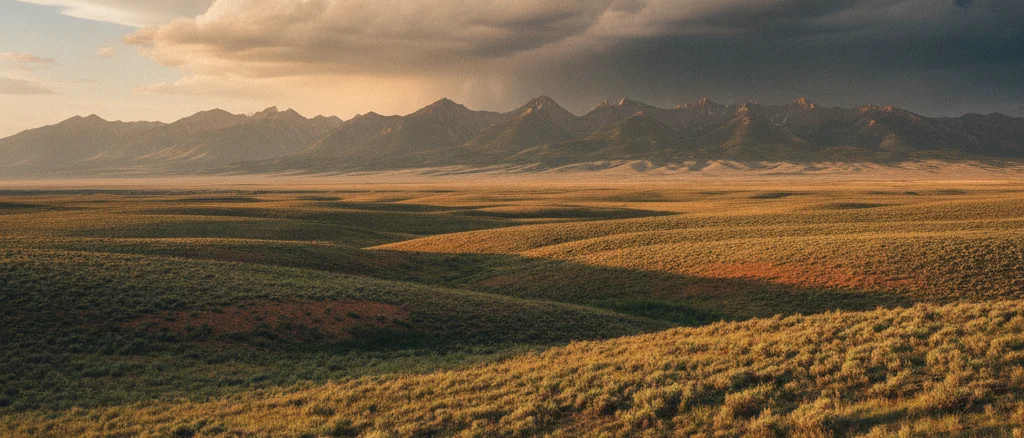
Northwest Mountains (Jackson Hole/Teton Area)
Prices are exceptionally high due to proximity to national parks, world-class recreation, and limited supply, often driven by amenity and conservation values.
Wyoming's raw land market is defined by vast open spaces, significant federal land presence, and a strong emphasis on outdoor recreation and resource extraction. Buyers will find a range of opportunities from high-alpine retreats to expansive plains, often with minimal zoning restrictions. However, navigating water rights, federal land access, and mineral rights requires diligent research.
The significant federal land presence and complex water rights system present unique challenges, despite favorable zoning and diverse land opportunities.
Wyoming operates under the doctrine of Prior Appropriation for both surface water and groundwater. This means 'first in time, first in right,' where the earliest beneficial use of water establishes a senior right over later uses. All water in Wyoming is constitutionally declared to be the property of the state. To acquire a water right, a permit must be obtained from the State Engineer's Office, which specifies the source, amount, and purpose of use. Water rights are generally appurtenant to the land but can be transferred under strict regulatory review to prevent injury to other appropriators. Groundwater is also managed under this system, requiring permits for wells and adherence to established priority dates.
Federal land context: The Bureau of Land Management administers approximately 17.5 million acres in Wyoming, creating extensive checkerboard patterns and inholdings that necessitate careful due diligence regarding access and boundary lines for private parcels.
Price ranges reflect recreational, hunting, and timber raw land — not farmland or subdivided residential lots.
Prices are exceptionally high due to proximity to national parks, world-class recreation, and limited supply, often driven by amenity and conservation values.
Offers diverse landscapes from irrigated valleys to mountain forests, attracting buyers seeking hunting, fishing, and scenic beauty at more accessible prices than the Tetons.
Characterized by vast, arid landscapes and checkerboard federal land, this region appeals to buyers seeking solitude, large acreage, and off-grid living at lower price points.
Proximity to population centers and Colorado's Front Range drives demand for recreational and smaller investment parcels, with varied terrain from rolling plains to mountain foothills.
A diverse region offering access to major mountain ranges and vast plains, popular for big game hunting and remote recreational opportunities, with prices reflecting remoteness and access.
State-specific landmines that standard due diligence checklists miss.
Understanding the priority date and quantity of any existing water rights is critical, as junior rights can be curtailed in dry years.
The extensive checkerboard land ownership pattern often leads to landlocked private parcels or complex access issues across federal or private lands.
Mineral rights are frequently severed from surface rights in Wyoming, meaning a surface owner may not control subsurface development.
Properties within designated wildlife migration corridors may face development restrictions or conservation easements impacting future use.
Extreme weather conditions, short building seasons, and the high cost of extending utilities or developing infrastructure in remote areas are significant considerations.
Model what it will actually cost to hold raw land before it generates any income. Property taxes, road maintenance, and stewardship add up on ground that produces no cash flow.
Browse water doctrine, pricing, and due diligence requirements for all 50 states.